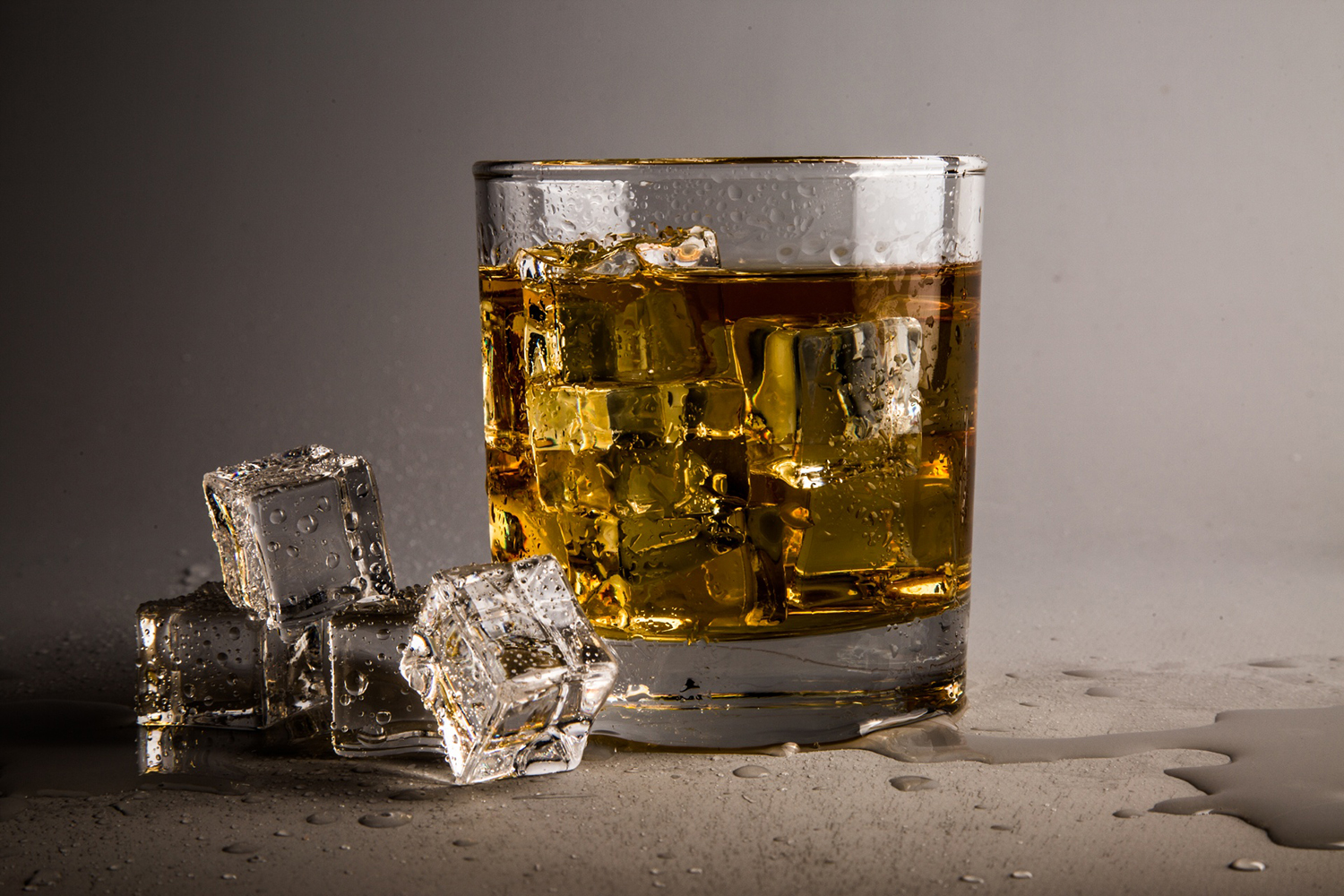
I have been drinking whiskey for years. It is a wonderful spirit, and as complicated to learn about as wine. You can spend a lifetime enjoying the nuances. In my novel, “A Line Intersected,” the hero develops a taste for Jameson’s whiskey. That happened to be what I was drinking during the time I wrote the book, so my hero drank it also.
These days I live in the Appalachian Mountains of East Tennessee, and I have discovered bourbons and other whiskeys that I enjoy very much. I put together a small guide here for those unfamiliar with the basic differences between whiskey, scotch, and bourbon.
It’s just a starting point, though. I’ll write another piece later about the peated Scotch whiskies I also love, and why they are so good (but not for everybody!).
Whiskey is the umbrella category. Scotch and bourbon are both whiskeys, but they are not interchangeable.
- Whiskey : Distilled spirit made from a fermented grain mash and typically aged in wood. The spelling, with or without the E, usually follows origin: “whiskey” for whiskey from AmErica and IrEland; “whisky” for whisky from Scotland, Canada, and Japan (no E in those names, therefore no E in whisky). Beyond that, the word just means “grain spirit aged in barrels.” Rye, Tennessee whiskey, Irish whiskey, and many others sit under this heading.
- Scotch — Whisky that must be made in Scotland. It is distilled from malted barley (other grains are allowed in blended Scotch), aged in oak casks for a minimum of three years, and bottled at no less than 40% ABV. Many single malts use peat-smoked barley, which gives the familiar smoky note; blended Scotches are usually milder. Geography and the three-year oak rule are what legally define it.
- Bourbon — American whiskey that must be made in the United States. The mash must be at least 51% corn (remember B for bourbon followed by C for corn); it must be aged in new charred oak barrels, and it cannot be distilled above 160 proof or entered into the barrel above 125 proof. There is no minimum age for the word “bourbon,” but “straight bourbon” requires at least two years. The new charred barrels produce the vanilla, caramel, and oak sweetness most people associate with it. Kentucky produces the majority, but the law does not require it to be made there.
In short: all Scotch is whisky and all bourbon is whiskey; the differences are origin, grain recipe, and barrel rules. I will write more on this later. In the meantime, if you are already a fan of whiskey, toast up!
Share this: